

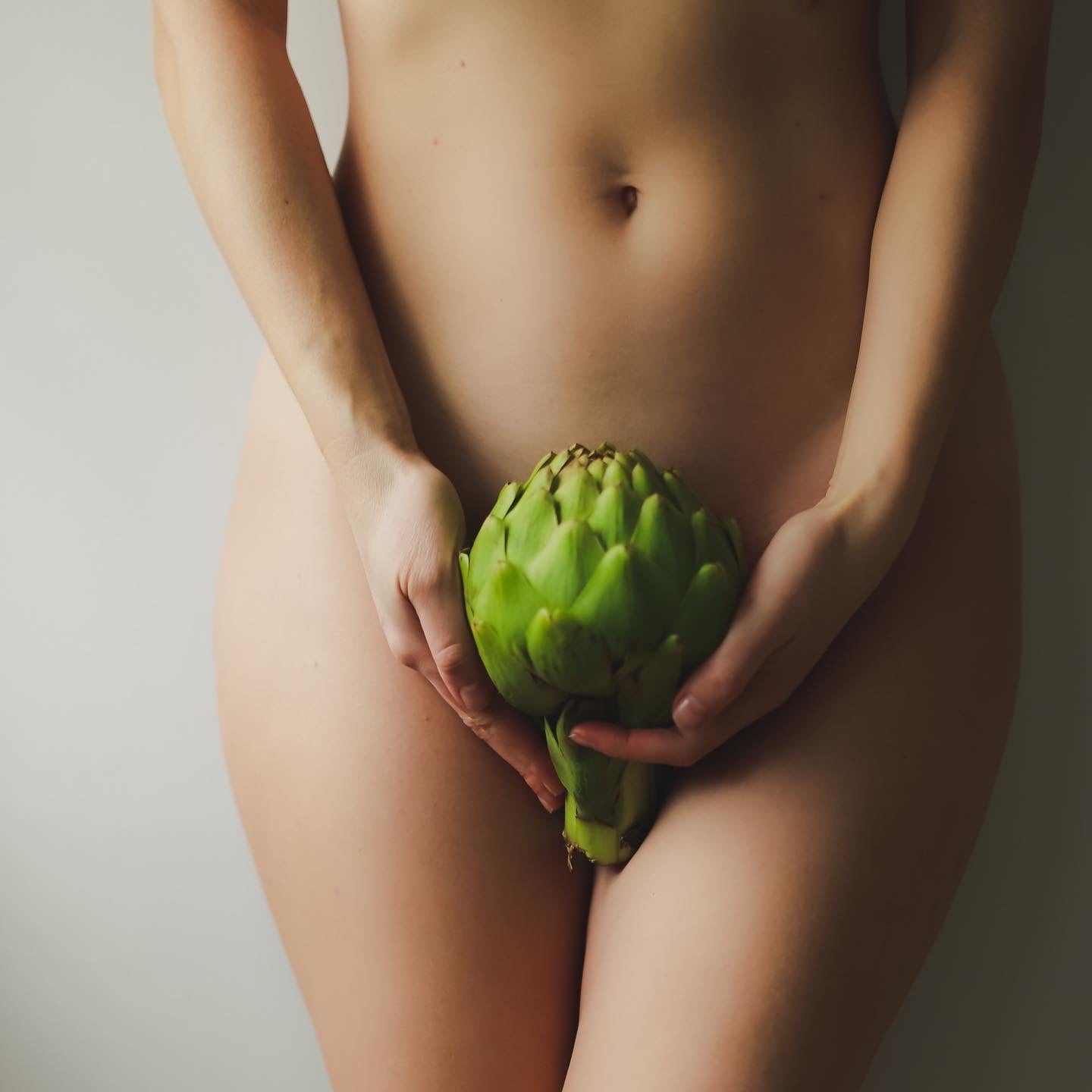
Tisanes, Menopause, and Integrative Well-Being
An interview with Belinda Ephraim on KOKOBÉRNA, SACRAL WOMB™, botanical formulation, and the care of body + mind + heart + spirit™.
KOKOBÉRNA is a West African-rooted luxury house of botanical skin care and integrative well-being. Its tisane collection grew from inherited botanical practice, contemporary research, and collaboration across complementary health disciplines. In this conversation, founder and creative director Belinda Ephraim discusses the house’s origin, the difference between tea and tisane, her training as a functional nutrition coach, and the thinking behind SACRAL WOMB™ Reproductive Wellness™ Tisane.
As you clasp the warm cup of tisane between your hands and experience the flavor and the aroma through your senses, elevate your self-care ritual with a prayer of wellness and gratitude: “With each sip, my reproductive organs are in perfect working condition. I am deeply nourished. I am perfectly healthy.”

Please share with us your inspiration for starting KOKOBÉRNA.
My love for health, beauty, and well-being began at an early age in Nigeria, where I apprenticed with my grandmother, a healer and herbalist who prepared indigenous botanical remedies by hand. The knowledge she carried descended from an inherited practice situated in the royal Efik courts of Old Calabar Kingdom. There, botanical instruction formed part of the care and preparation of young women, and formulas were preserved through practice, memory, and family record.
Those lessons remained with me through my years on Wall Street. After a health crisis, I felt called to return home and attend more closely to what had been entrusted to my family. I began cataloguing inherited preparations and learning from artisan herbalists who continued to work with native plants and established methods of preparation.
Among my grandmother’s records was the foundation of the preparation that became HEALER’S GOLD™ Face Oil. I used an early version while caring for a surgical scar and saw a meaningful change in its visible appearance and in the surrounding skin. That personal experience became one point of return. It showed me that the family library was not a historical ornament. It was living knowledge that required preservation, study, and responsible continuation.
Over the years, I built the KOKOBÉRNA heritage library, researched the materials and methods within it, established our supply relationships, and brought inherited practice into conversation with contemporary formulation science. KOKOBÉRNA grew from that work and from my belief that health and beauty belong to the integrative relationship among body, mind, heart + spirit™.
What does the name KOKOBÉRNA mean?
The African proverb tells us that a good name is better than riches. In Efịk culture, as in many African societies, a name can carry essence, memory, and expectation.
KOKOBÉRNA is a portmanteau. It joins Kǒkóèkà, my tribal name, with Bernadette, the name I received during my confirmation rite of passage. Kǒkóèkà speaks to a mother’s daughter, essence, and reflection. Bernadette is associated with courage. Together, the name holds the feminine inheritance and brave spirit at the center of the house.
Is there a difference between tea and tisane?
Yes. Tea is made from Camellia sinensis, the plant from which black, green, white, oolong, and pu-erh teas are produced. A tisane, pronounced tə-ZAN, is an infusion or decoction made from botanical materials outside the tea plant. Depending on the formula, that may include leaves, flowers, fruit, seeds, bark, roots, or other plant material.
The distinction matters because the material determines the method. Delicate leaves and flowers may be infused. Roots, bark, seeds, and other firm materials often benefit from a slow, covered decoction. KOKOBÉRNA tisanes are caffeine-free and are composed as multi-botanical preparations within the house’s complementary and integrative practice.
Do tisanes have any significant benefits that are different from teas?
They can, although the meaningful difference comes from composition rather than one category being inherently superior. True tea begins with one species. A tisane may bring together leaves, flowers, fruit, seeds, bark, and roots, each chosen for its place within a particular formula. That wider botanical vocabulary allows an herbalist to compose for a specific purpose, preparation method, and sensory character.
KOKOBÉRNA’s collection is also caffeine-free. This gives the preparations a different place in a daily practice for people who limit stimulants or prefer a botanical preparation that does not begin with the tea plant. The benefit does not come from the word tisane alone. It comes from the identity, quality, proportion, preparation, and appropriate use of the botanicals within the complete composition.
How do tisanes fit within KOKOBÉRNA’s complementary and integrative philosophy?
Our work is grounded in the relationship among body, mind, heart + spirit™. We do not see nourishment, rest, stress, sleep, skin, and hormonal transitions as isolated subjects. Contemporary research continues to examine relationships among sex hormones, the brain, sleep, stress, and immune activity. That wider physiological context is one reason a tisane ritual can belong within an integrative practice.
Complementary means that a preparation can sit beside nutrition, movement, sleep, stress care, clinical evaluation, and treatment when treatment is needed. It does not ask a woman to choose between botanical practice and appropriate medical care.
What is the best way to enjoy KOKOBÉRNA Tisanes?
In inherited botanical practice, a preparation could begin as medicine and become ceremony: an expression of care, attention, and gratitude for life. We recommend receiving a KOKOBÉRNA tisane in that spirit.
Enjoy it slowly and warm. Keep the vessel covered while the botanicals infuse or decoct. We prefer the tisane unsweetened and prepared without a microwave so its aroma, texture, and botanical character remain perceptible. Hold the cup between your hands, attend to the aroma, and allow the preparation to mark a deliberate interval in the day.
How does one brew a KOKOBÉRNA Tisane?
The noble art of the brew is part of the formula. KOKOBÉRNA tisanes may be prepared by decoction or infusion. The current vessel and product page should govern the serving size because the formulas and use protocols are distinct.
For a decoction:
- Bring fresh spring water to a boil on the stove, then reduce the heat to the lowest simmer setting.
- Place the recommended serving of herbs into the saucepan and cover.
- Simmer gently for 30-45 minutes. Do not allow the preparation to remain at a rolling boil.
- Strain, compost the botanicals, and enjoy.
For an infusion:
- Bring fresh spring water to a boil, remove it from the heat, and set it aside for one minute.
- Pour the water over the recommended serving of herbs and cover.
- Infuse for 45-60 minutes or overnight in a stainless-steel or glass vessel.
- Strain, compost the botanicals, and enjoy.
For the current SACRAL WOMB™ formula, the first-30-days protocol uses 2-3 teaspoons of herbs with 3-4 cups of water. The maintenance serving uses 1/2-1 teaspoon with 1 cup of water. Follow the directions accompanying the vessel in hand if they differ from this article.
Can KOKOBÉRNA Tisanes be enjoyed daily?
Yes. KOKOBÉRNA tisanes are composed for regular use when the formula is appropriate for the individual and the recommended serving is followed. Daily use does not mean unrestricted use. Consume no more than the amount stated on the current vessel and limit alcohol while using herbal preparations.
SACRAL WOMB™ is best enjoyed first upon rising and, if taking a second cup, during the earlier part of the day. The house protocol includes a pause during the menstrual cycle and a week-long break between replenishments. Women using the formula in perimenopause or menopause should still follow the current serving directions and the precautions appropriate to the complete ingredient list.

Please tell us about SACRAL WOMB™ Reproductive Wellness™ Tisane.
SACRAL WOMB™ is personal to me. Traditionally, African societies have marked important passages in a woman’s life, including menstruation, conception and childbirth, and maturity. Each passage carries changes in the body, in one’s inner life, and in how care must be given and received.
I lived with dysmenorrhea and debilitating menstrual pain. In my own experience, the preparation accompanied a more regular cycle and the end of that pain. That experience is part of the formula’s origin. It is personal testimony, not a promise that every woman will have the same result.
KOKOBÉRNA developed the tisane to support women’s reproductive well-being through cyclical, perimenopausal, and menopausal transitions. The company employed naturopathic doctors, a certified herbalist, and functional health coaches to examine traditional use, ingredient research, interactions, formulation architecture, and use protocols. The finished preparation is a caffeine-free, 100 percent certified-organic composition of seventeen botanicals.
What is the relationship between traditional knowledge and peer-reviewed research?
They answer different questions, and they can be placed in disciplined conversation. Traditional knowledge preserves use, preparation, pattern recognition, and cultural context across generations. Ethnobotanical research documents the longstanding place of medicinal plants in reproductive care in Africa and other regions. Contemporary laboratory and clinical research can examine defined plants, extracts, preparations, mechanisms, outcomes, and safety.
KOKOBÉRNA’s family lineage dates to 1611. We receive that history as a responsibility to observe carefully, source thoughtfully, and continue learning. Heritage is not used as a substitute for evidence. Evidence is not used to dismiss the knowledge systems that helped identify what is worth studying.
What are the key ingredients in SACRAL WOMB™ Tisane and their benefits?
The current composition brings together moringa leaf, raspberry leaf, burdock root, alfalfa leaf, goldenrod, black cohosh root, vitex berries, red clover blossoms, shatavari root, dong quai root, motherwort, nettle leaf, wild yam root, amla gooseberry, sage leaf, damiana leaf, and licorice root. Each botanical was selected for its place within the composition. No single ingredient is expected to do the work of the full formula.
Black cohosh extracts have been studied for menopausal symptoms, including vasomotor complaints. Reviews have reached different conclusions because products and trials vary, while a recent analysis reported potential benefit for some preparations. Red clover isoflavones have also been studied for hot flashes and other menopausal symptoms, with meta-analyses reporting modest or preparation-dependent effects.
Sage has been examined in clinical studies of hot flashes. A systematic review reported reductions in frequency and severity across the included studies while calling for stronger trials. Vitex has a larger clinical literature in premenstrual syndrome and related reproductive conditions than in menopause. A systematic review found benefit in several trials while noting substantial variation among them.
Moringa leaf is valued for its nutrient and phytochemical profile. Experimental studies have examined antioxidant and hepatoprotective activity in extracts. Such findings support ingredient rationale and continued research. They remain extract-level or preclinical evidence when that is what the study tested, rather than a clinical trial of the finished tisane.
The formula has not been clinically tested as a finished composition. Its evidence base therefore includes inherited and traditional use, research on individual botanicals or defined extracts, formulation reasoning, safety review, and the lived experience of the women who use it. Those forms of knowledge can support the preparation without being represented as identical.

Why speak about the brain, stress, sleep, and hormones in the same conversation?
Researchers are increasingly examining how reproductive aging and lifetime hormone exposure relate to later-life health.
Most important, women do not experience endocrine transitions in fragments. Research has documented menstrual-cycle-related changes in the hippocampus and associations between sex-hormone exposure and patterns of women’s brain aging. Separate experimental work has mapped hypothalamic circuitry linking stress, sleep disruption, and immune effects. These studies do not test SACRAL WOMB™. They support the wider physiological premise that nervous, endocrine, and immune activity are connected.
For the house, the practical expression is simple: the formula matters, and so do rest, nourishment, stress load, clinical history, and the conditions in which care is received.
Does SACRAL WOMB™ Tisane have any benefits particularly helpful for women of color?
The preparation was created within a West African-rooted house and within a history in which women’s botanical knowledge was taken seriously. That cultural recognition matters. It offers women of color a preparation shaped from within a tradition that sees them, rather than treating them as an afterthought.
The clinical context also matters. Black women often face disparities in the recognition, evaluation, and treatment of reproductive concerns. Severe pelvic pain, heavy or prolonged bleeding, bleeding after menopause, and persistent vulvar or vaginal symptoms deserve clinical evaluation. Complementary care should expand a woman’s support system. It should never ask her to normalize suffering or delay diagnosis.
Our purpose is to meet women with a preparation shaped by cultural memory, botanical knowledge, and contemporary integrative practice, while respecting the place of qualified medical care.
How has your work as a functional nutrition coach helped with formulating KOKOBÉRNA herbal tea supplements?
My work as a functional nutrition coach gave me a contemporary framework for subjects I had first encountered through inherited botanical practice: nutrition science, digestion, metabolism, immune function, stress physiology, behavior change, and the relationships among systems of the body.
That training did not replace what I learned from my grandmother or from the herbalists with whom I studied. It gave me another language through which to question, organize, and test what we knew. It helped me read ingredient research more critically, distinguish traditional use from clinical evidence, examine how preparation and dosage affect use, and recognize where an individual’s medication, health history, or life stage might alter a protocol.
It also allowed me to work more effectively with the naturopathic doctors, certified herbalist, and other functional health coaches KOKOBÉRNA employed in the formulation process. We could compare the inherited record with contemporary evidence, ask better questions about interactions and contraindications, and refine the formulas without stripping them of their cultural and material character.
The result was not the replacement of traditional knowledge by contemporary science. It was a more disciplined exchange between them, one that helped us update protocols and strengthen the KOKOBÉRNA heritage library for present-day use.
Can SACRAL WOMB™ Tisane be used with medication or hormone therapy?
A multi-herb formula can interact with medication and may not be appropriate for every person. Review the complete ingredient list with a qualified clinician or pharmacist if you use prescription medication, hormone therapy, anticoagulants, or other supplements. The same applies if you are preparing for surgery or receiving fertility treatment.
Complementary use should be coordinated with the professionals responsible for your care. Do not stop, reduce, or replace prescribed treatment based on an article or product description.
Are there any precautions?
Yes. Do not use SACRAL WOMB™ during pregnancy or breastfeeding. Consult a qualified clinician or pharmacist before use if you are trying to conceive; if you take prescription medication, hormone therapy, anticoagulants, corticosteroids, or other supplements; or if you have a liver, kidney, heart, blood-pressure, low-potassium, bleeding, or hormone-sensitive condition. Black cohosh, licorice, vitex, dong quai, and other botanicals in the formula each have distinct safety and interaction considerations.
Follow the serving directions accompanying the current vessel. Do not exceed the recommended amount. Discontinue use and seek professional guidance if an adverse reaction occurs. Keep away from children.
For those who are new to the brand, what can they expect from the tisanes and skin care preparations?
Expect a house where inherited botanical practice enters disciplined exchange with contemporary formulation science. Expect attention to material, process, preparation, and the whole person. Our work extends across botanical skin care and integrative well-being because we understand beauty as part of the condition of a life.
Expect preparations developed and handcrafted by us, in small batches and with patience. Expect the formula to be taken seriously and the ritual to be beautiful.
ÈMÉDÍ KOKOBÉRNA. Welcome to KOKOBÉRNA.
=========
Editorial and medical note: This interview discusses traditional botanical practice, complementary and integrative well-being, ingredient research, and the founder’s personal experience. It is not individualized medical advice. Individual experiences vary. KOKOBÉRNA tisanes are not intended to diagnose, treat, cure, or prevent disease. Follow the current product label and consult a qualified health professional when individual guidance is needed.
RESEARCH NOTES
Research on an ingredient, extract, population, or physiological context is identified at that level. None of the sources below is represented as a clinical trial of the finished SACRAL WOMB™ formula.
de Lange AMG, et al. Women’s brain aging: effects of sex-hormone exposure, pregnancies, and genetic risk for Alzheimer’s disease. Human Brain Mapping. 2020;41(18):5141-5150. doi:10.1002/hbm.25180. See also Barth C, et al. In-vivo dynamics of the human hippocampus across the menstrual cycle. Scientific Reports. 2016;6:32833. doi:10.1038/srep32833. Source
Li SB, et al. Hypothalamic circuitry underlying stress-induced insomnia and peripheral immunosuppression. Science Advances. 2020;6(37):eabc2590. doi:10.1126/sciadv.abc2590. Source
Tsobou R, Mapongmetsem PM, Van Damme P. Medicinal plants used for treating reproductive health care problems in Cameroon, Central Africa. Economic Botany. 2016;70:145-159. doi:10.1007/s12231-016-9344-0. Source
Lans C, Taylor-Swanson L, Westfall R. Herbal fertility treatments used in North America from colonial times to 1900 and their potential for improving the success rate of assisted reproductive technology. Reproductive Biomedicine & Society Online. 2018;5:60-81. doi:10.1016/j.rbms.2018.03.001. Source
Sadahiro R, et al. Black cohosh extracts in women with menopausal symptoms: an updated pairwise meta-analysis. Menopause. 2023;30(7):766-773. doi:10.1097/GME.0000000000002196. Source
Kanadys W, et al. Evaluation of clinical meaningfulness of red clover extract to relieve hot flushes and menopausal symptoms: a systematic review and meta-analysis of randomized controlled trials. Nutrients. 2021;13(4):1258. doi:10.3390/nu13041258. Source
Moradi M, et al. The effect of Salvia officinalis on hot flashes in postmenopausal women: a systematic review and meta-analysis. International Journal of Community Based Nursing and Midwifery. 2023;11(3):169-178. doi:10.30476/IJCBNM.2023.97639.2198. Source
van Die MD, Burger HG, Teede HJ, Bone KM. Vitex agnus-castus extracts for female reproductive disorders: a systematic review of clinical trials. Planta Medica. 2013;79(7):562-575. doi:10.1055/s-0032-1327831. Source
Choi YJ, Jung KI. Anti-diabetic, alcohol-metabolizing, and hepatoprotective activities of Moringa oleifera leaf extracts. Journal of the Korean Society of Food Science and Nutrition. 2016;45(6):819-827. doi:10.3746/jkfn.2016.45.6.819. Source
National Center for Complementary and Integrative Health. Black Cohosh: Usefulness and Safety. Source
National Center for Complementary and Integrative Health. Licorice Root: Usefulness and Safety. Source
National Center for Complementary and Integrative Health. Chasteberry: Usefulness and Safety. Source
National Center for Complementary and Integrative Health. Menopausal Symptoms: In Depth. Includes safety and interaction information for dong quai and other botanicals. Source
kokoberna estrogen menopause women’s women female brain aging reproductive wellness system uterus fibroids pcos gynecological health healthcare wellness infertility fertility ovaries herbs traditional African medicinal plants ethnobotanical herbal tisane tisanes tea self-care



Leave a comment
This site is protected by hCaptcha and the hCaptcha Privacy Policy and Terms of Service apply.